Understanding the Role of a Commercial General Contractor in Delivering Quality Building Projects
A commercial general contractor is indispensable in the construction field. They guarantee that projects are completed on time and within budget. Their role involves overseeing detailed timelines and coordinating all involved parties. This integration is necessary for sustaining high safety and quality levels. Understanding their responsibilities reveals how they influence project outcomes. What specific strategies do they employ to handle difficulties and ensure positive results?
The Importance of a Commercial General Contractor
Although some may downplay their function, a commercial general contractor is essential to the success of building projects. Serving as the main coordinator, these professionals make certain different construction phases blend perfectly. Their expertise encompasses more than just project management, including clear stakeholder communication, including clients, subcontractors, and suppliers. By managing budgets, timelines, and resource distribution, they mitigate risks and streamline operations.
In addition, commercial general contractors navigate complex regulatory environments, guaranteeing compliance with local building codes and safety standards. Their experience in resolving conflicts and solving problems is crucial, particularly when unexpected challenges arise during construction. Ultimately, a skilled commercial general contractor fosters collaboration, enhances efficiency, and contributes to the overall quality of the project. Their critical function establishes the basis for success, making them necessary for all building projects, regardless of size or intricacy.
Key Responsibilities of a Commercial General Contractor
While supervising a construction effort, a commercial general contractor assumes a multitude of key responsibilities that are essential for its success. Primarily, they oversee project timelines, guaranteeing that timelines are adhered to and that the project progresses as planned. They also manage the finances, controlling costs and guaranteeing that financial resources are effectively allocated.
The contractor is also accountable for recruiting and coordinating sub-trades, selecting qualified professionals for niche assignments such as electrical and plumbing installations. The contractor ensures adherence to local construction standards and safety rules, reducing hazards associated with construction activities.
In addition, the general contractor is charged with securing necessary permits and licenses to aid in the construction workflow. The contractor performs routine site checks to oversee standards and development, dealing with concerns that arise immediately. Ultimately, their role is to guarantee that the project meets specifications, meets the deadline, and stays within the financial limits.
The Role of Coordination and Communication in Construction
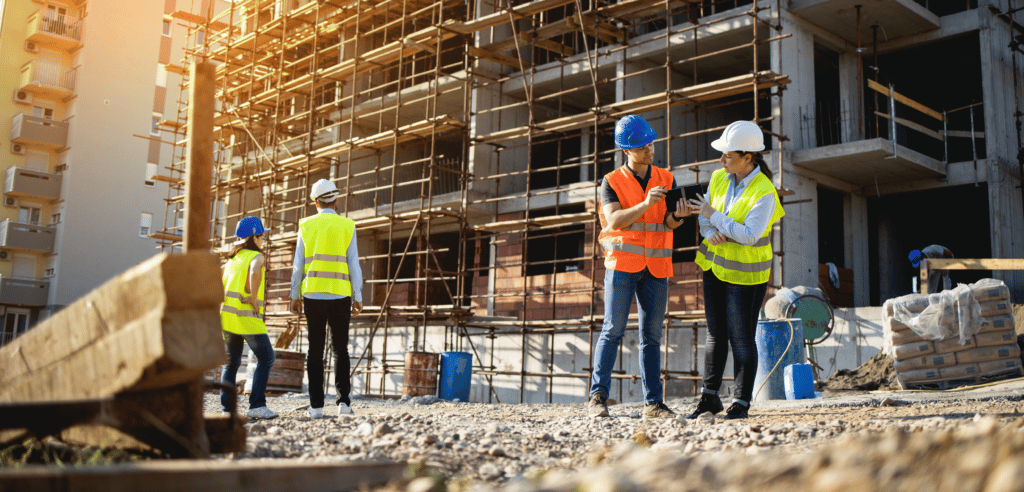
Successful coordination and communication are vital components in the success of construction projects, as they make certain all participants are on the same page with the project's goals and timelines. The general contractor is central in making this happen by setting up defined communication channels among clients, architects, suppliers, and subcontractors. They guarantee that current data regarding project progress, changes, and potential issues are communicated in a timely and clear manner.
Regular meetings and status reports are integral to this coordination, allowing for the timely resolution of conflicts and the modification of timelines when required. The contractor's ability to foster collaboration among diverse teams enhances overall project efficiency and lessens miscommunications. The adoption of project management tools and software can optimize the communication flow, guaranteeing everyone can view to the most current information. Effective communication and coordination culminate in superior project deliverables and party gratification in the construction industry.
Managing Budgets and Overseeing Finances
Managing finances and budgets is crucial to the favorable realization of construction work, guaranteeing efficient resource allocation and expenses are managed. A commercial essential guide general contractor plays a pivotal role in this process by establishing precise budgets based on project scope and client expectations. They oversee all expenses throughout the duration of the project, spotting deviations and implementing required changes to avoid overruns.
The general contractor partners with suppliers and sub-trades to finalize agreements, guaranteeing fair pricing while maintaining quality standards. Routine financial reports and projections enable stakeholders to remain current and make timely decisions. By implementing stringent financial controls, the contractor mitigates risks associated with unexpected costs, maintaining the project's financial health. In the end, prudent fiscal management and oversight boost the likelihood of project success but also build confidence among stakeholders, ensuring projects are completed successfully.
Guaranteeing Standards of Safety and Quality
A comprehensive strategy for guaranteeing safety and quality is vital in the building sector, where the stakes are high and the margins for error are slim. General contractors in the commercial sector are key players in establishing strict safety guidelines and standards of quality during every phase of the project. Contractors must comply with industry standards, local codes, and best practices, which helps mitigate risks and enhance overall project integrity.
For this purpose, contractors often carry out routine site checks, check that safety procedures are followed, and supply regular workforce instruction. Contractors partner with reputable subcontractors and vendors who prioritize quality results, making sure the work and materials meet required specifications. By promoting high standards of safety and quality, commercial general contractors ensure worker well-being but also increase the permanence and strength of their structures, resulting in successful projects and happy customers.
Frequently Asked Questions
What Experience is Necessary in a General Contractor?
When selecting a general contractor, one should consider their experience, references, licenses, portfolio, and insurance coverage - Hickory top rated Commercial General Contractor. Additionally, effective communication skills and a proven track record of managing budgets and timelines are crucial for achieving project success
What is the Best Way to Choose the Right Contractor for My Project?
In order to choose the best contractor, one should evaluate their experience, verify past clients, review past projects, confirm licenses and insurance, and guarantee clear communication. An in-depth interviewing procedure can help determine compatibility with project goals.
What Difficulties Do Commercial General Contractors Often Encounter?
Commercial builders commonly encounter difficulties including regulatory hurdles, labor scarcity, budget pressures, scheduling problems, and subcontractor management. Such problems may affect project quality, costs, and schedules unless managed properly during construction.
How Do Contractors Handle Unexpected Issues During Construction?
When faced with unforeseen problems, contractors typically respond by rapidly assessing the problem, creating backup strategies, and updating clients and partners. Hickory top rated Commercial General Contractor. They often leverage experience and teamwork to implement solutions, making sure there is minimal disruption to the project's timeline and budget
What's the Usual Schedule for a Business Construction Project?

The usual duration for a commercial building project ranges from multiple months to a couple of years, based on factors such as project scope, its complexity, permitting processes, and the availability of labor and materials.